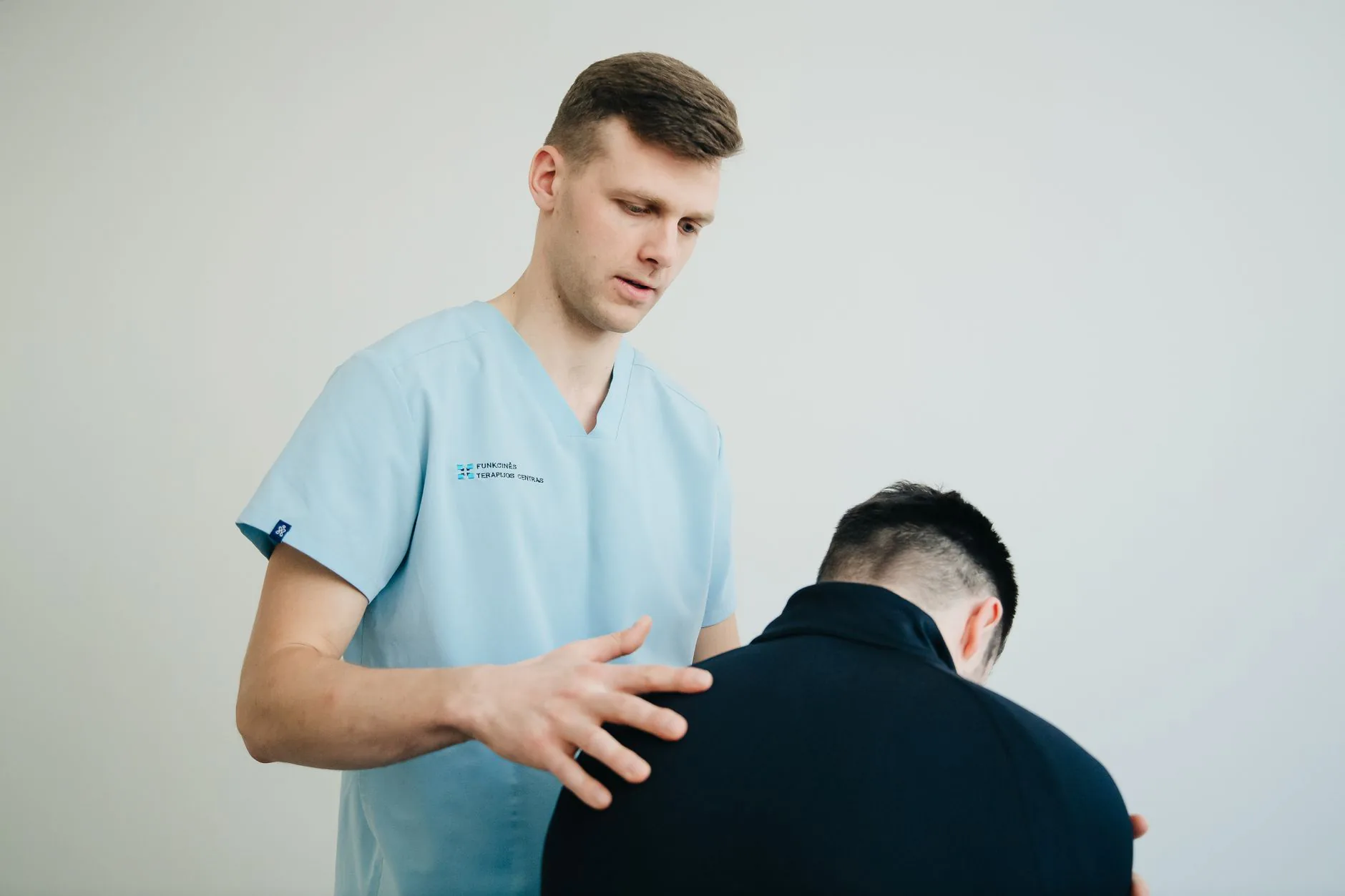
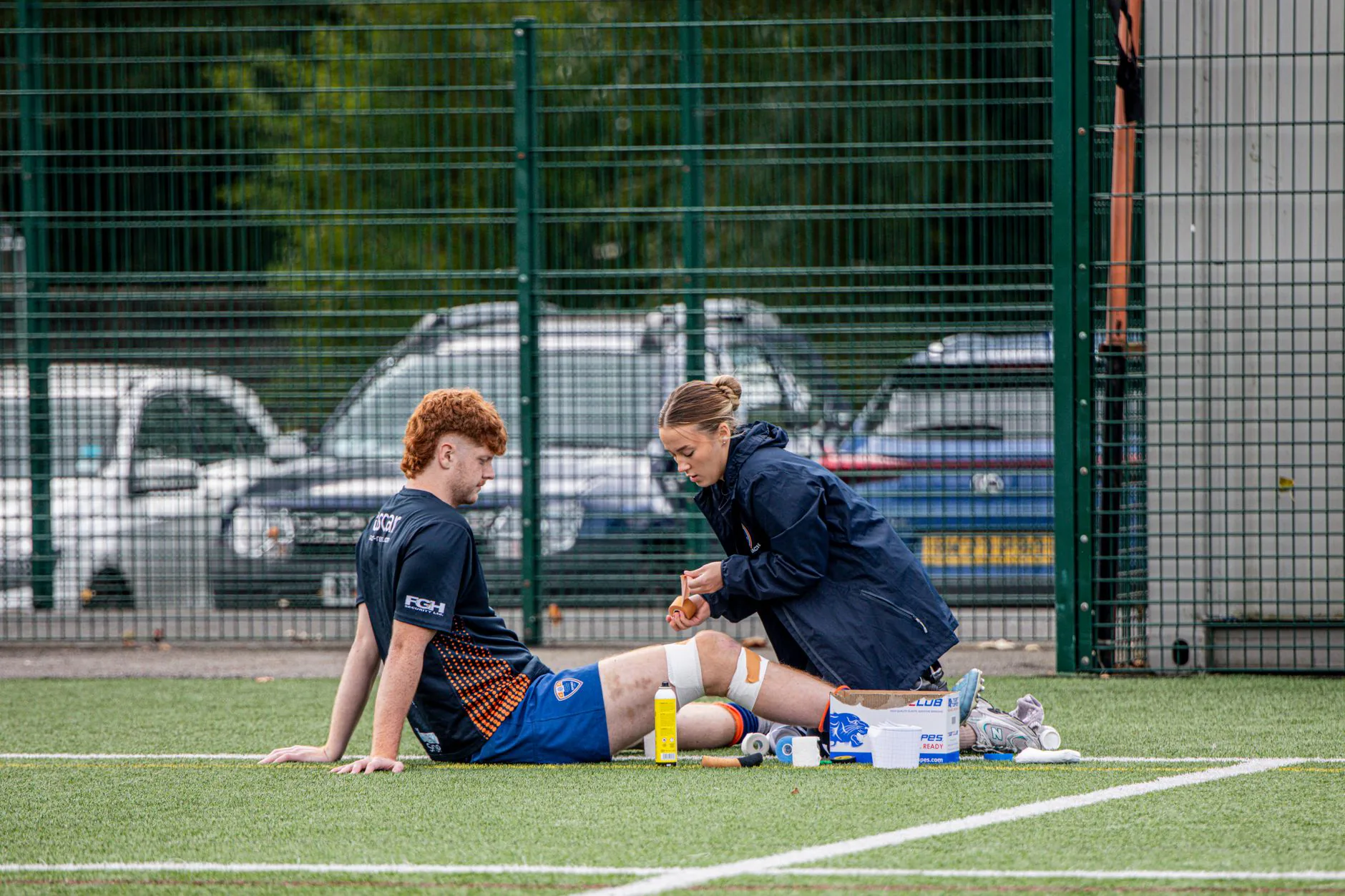
Sports chiropractic helps athletes return to activity safely by restoring how joints and muscles move, easing the strain patterns behind an injury, and building a gradual, individualized return-to-activity plan. At Renew Chiropractic in Kirkland, Washington, Dr. Emily Anderson — who is completing an advanced sports chiropractic certification — cares for runners, cyclists, lifters, skiers, swimmers, and weekend athletes with spinal and extremity adjustments, soft-tissue work, and home exercises, so most athletes can keep training in some form during care.
Whether you are training for a race on the Burke-Gilman Trail, chasing a deadlift PR, or simply trying to get back on the soccer field without your knee complaining afterward, the goal is the same: return to the activity you love, and stay there. Dr. Anderson has worked with runners, cyclists, dancers, climbers, and everyday athletes throughout her career, and her approach is built on a simple idea — find the movement problem driving the strain, address it hands-on, and rebuild activity in a planned, progressive way rather than through rest alone.
Do You Have to Be Injured to See a Sports Chiropractor?
No. Many athletes come in precisely to stay ahead of injury — to catch the hip that tightens on every long run before it becomes the hip that ends a training block. Others come in with a clear complaint: plantar fasciitis that will not settle, a shoulder that pinches during press work, low-back stiffness after long rides. All are welcome.
A sports-focused visit is useful whenever something in your movement is costing you — comfort, performance, or consistency. If you are unsure whether your situation calls for care, a consultation is a low-commitment way to find out: you will get an honest assessment and a clear explanation either way.
How Does Sports Chiropractic Actually Work?
Sports chiropractic at Renew Chiropractic combines several approaches, chosen for your sport, your body, and your specific pattern:
- Spinal and extremity adjustments. Restoring comfortable motion not just in the spine but in the joints athletes actually load — hips, knees, ankles, shoulders, elbows, and wrists.
- Soft-tissue work. Addressing the tight, overworked muscle and fascia that develop around repetitive training loads.
- Movement-based methods. Including the McKenzie Method, which uses specific repeated movements to diagnose and treat patterns — especially effective for low-back complaints in athletes.
- Home exercises. Targeted mobility and strength work that makes hands-on progress stick between visits.
The point is never just to quiet a symptom. It is to find why the strain keeps landing in the same place — a hip that does not extend fully, an ankle that lost range after an old sprain, a shoulder compensating for a stiff mid-back — and correct that pattern.
Dr. Anderson is currently completing an advanced sports chiropractic certification, building on years of experience with runners, cyclists, dancers, climbers, and everyday athletes.
Can a Chiropractor Treat Knees, Shoulders, and Ankles — Not Just the Spine?
Yes. Extremity adjusting is a core part of sports chiropractic. Dr. Anderson evaluates and treats the joints of the arms and legs directly — the knee that tracks poorly, the shoulder that loses its rhythm during a swim stroke, the ankle that stiffened after a sprain. For most sports injuries, the extremity joint and the spine above or below it are part of the same story, and both get attention.
What Do Common Sports Injuries Look Like?
Every sport writes its own pattern on the body. These are the presentations Dr. Anderson sees most often from Kirkland-area athletes:
Runners
Runner's complaints tend to cluster at the IT band, the plantar fascia, and the shins — usually downstream of hip mechanics or ankle range that has quietly narrowed. Care focuses on hip and foot joint mobility, soft-tissue work through the lateral leg and calf, and stride- and load-management guidance.
Cyclists and overhead athletes
Long hours hunched over the handlebars and repetitive throwing or swinging both overload the neck, mid-back, and shoulders. Care addresses mid-back and rib mobility, shoulder mechanics, and the neck tension that builds with sustained positions.
Strength and CrossFit athletes
Heavy squats, presses, and high-volume conditioning expose mobility limits quickly — an ankle that will not dorsiflex turns into a low-back that rounds; a stiff mid-back turns into a shoulder that grinds overhead. Care targets the restricted joint and the movement pattern that keeps feeding it.
Skiers and snowboarders
The Cascades are close, and so are the season's predictable strains: low-back and hip soreness from asymmetric stance, knee stress from twists and falls, and the general toll of hard days on firm spring snow.
Yoga and hypermobility
Flexible athletes bring a different challenge: joints that move easily but lack stability, with strain landing on the SI joint and low back. Care emphasizes controlled stability work as much as mobility.
Swimmers and triathletes
Repetitive rotation and overhead reach make the rotator cuff and neck common trouble spots, often paired with hip-flexor tightness from the kick and from hours on the bike.
What Does a Return-to-Activity Plan Look Like?
Returning safely is a process, not a date on the calendar. A return-to-activity plan at Renew Chiropractic considers:
- What happened and why.The injury history, the training load that preceded it, and the movement pattern that drove the strain.
- Where the body is now.Joint mobility, soft-tissue condition, strength, and movement quality on the day of evaluation.
- What the activity demands.A return to running looks different from a return to overhead pressing or skiing.
- A progressive ramp.Training modified — not necessarily stopped — with volume and intensity rebuilt in planned steps as movement and symptoms allow.
- A maintenance plan.Home exercises and, when useful, occasional visits to keep the pattern from returning.
Most athletes can keep training in some form during care. The plan is about modifying load intelligently, not issuing a blanket "stop everything" order — and if true rest is the right call, you will be told exactly why and for how long.
What About Imaging — and What Happens at the First Visit?
Imaging is used when it genuinely changes decisions. Renew Chiropractic offers digital X-ray on site, and Dr. Anderson recommends it when the consultation and examination indicate it would improve clinical decision-making — for example, when symptoms persist longer than expected or the exam suggests imaging would clarify the picture. Otherwise, treatment begins with what the examination finds, not with a scan by default.
Your first visit is unhurried and specific to your sport: a conversation about your training and your complaint, a movement and joint evaluation that looks at the whole chain involved, a clear explanation of what was found, and — if appropriate — a first treatment and the opening steps of your return-to-activity plan. You leave knowing what is going on, what the plan is, and what you can do at home.
Frequently Asked Questions About Sports Chiropractic
Does an athlete have to be injured to see a sports chiropractor?
No. Sports chiropractic is just as much about staying ahead of injury as treating one — many athletes come in to keep joints moving well and catch small strain patterns early, while others arrive with a specific complaint. Either way, a consultation at Renew Chiropractic is a low-commitment way to get an honest assessment.
Can I keep training while receiving care?
In most cases, yes. Plans usually adjust volume, intensity, or technique so you can keep moving while the injury settles. If a genuine rest period is the safer choice, you will hear that clearly, along with the reason and the timeline.
Can a chiropractor treat knees, shoulders, and ankles?
Yes — extremity care is a core part of sports chiropractic. Dr. Anderson works on the joints athletes actually load, from hips, knees, and ankles to shoulders, elbows, and wrists, usually alongside the spine, since the two are rarely separate stories.
What does a return-to-activity plan consider?
It weighs five things: the injury and the training that led to it, how your body moves on the day of evaluation, what your sport demands, a step-by-step ramp back to full activity, and home exercises that hold progress between visits. Plans are individualized — two athletes with similar pain can need very different roads back.
What should I expect at my first sports chiropractic visit?
Expect an unhurried conversation about your training and your complaint, a movement and joint evaluation of the whole chain involved, a plain-language explanation of what was found, and — when appropriate — a first treatment plus the opening steps of your return plan. Digital X-ray is available on site when the examination shows it would improve decision-making.
Ready to Get Back to Your Sport?
Book a sports evaluation with Dr. Anderson at Renew Chiropractic in Juanita Village and start your return-to-activity plan.
Book an Appointment